
High-quality Original Equipment Manufacturer (OEM) parts offer many advantages, which we'll explore in this article.
Fleet managers and maintenance operators aim to increase productivity and reduce maintenance costs They now understand that good total cost of ownership begins with proper preventive maintenance. Find out in this article 4 tips about OEM spare parts and how they will save you time and money.
WordsCharactersReading time
1. Don't just focus on the price!
When buying spare parts, don’t only look at the price. While non-OEM parts may seem cost-effective, genuine spare parts provide value that goes beyond their price.
The failure of a single part can be enough to cause a major breakdown or serious malfunction of your aerial work platforms (such as scissor lifts and articulating booms). This risk is heightened when non-original parts are used. OEM parts are designed to be compatible with your equipment and meet strict standards for optimal performance.
Using original parts ensures your equipment runs reliably throughout its life. Parts that meet the latest standards keep your equipment running smoothly, whether new or old.
The failure of a single part can be enough to cause a major breakdown or serious malfunction of your aerial work platforms (such as scissor lifts and articulating booms). This risk is heightened when non-original parts are used. OEM parts are designed to be compatible with your equipment and meet strict standards for optimal performance.
Using original parts ensures your equipment runs reliably throughout its life. Parts that meet the latest standards keep your equipment running smoothly, whether new or old.
WordsCharactersReading time
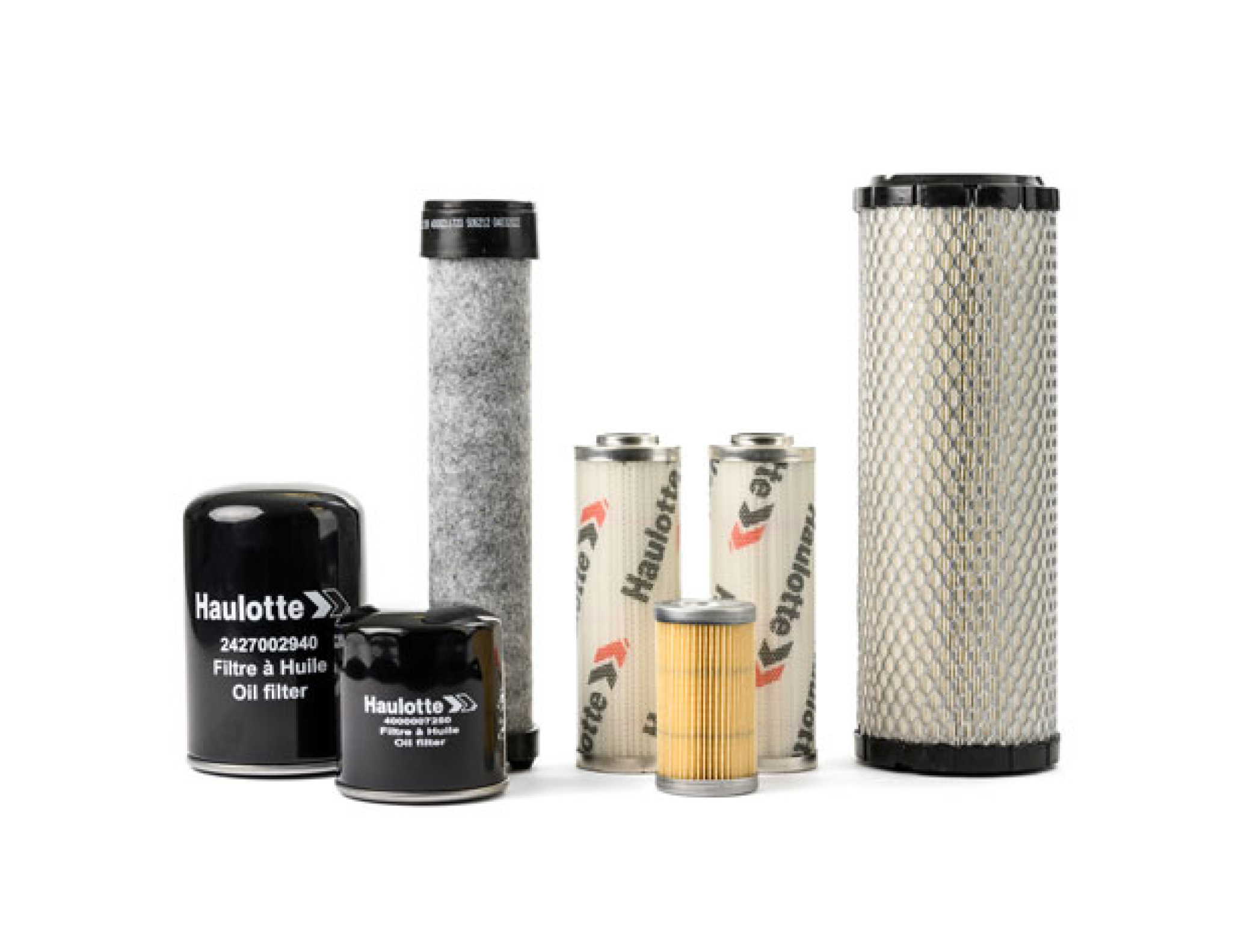
A strategic choice
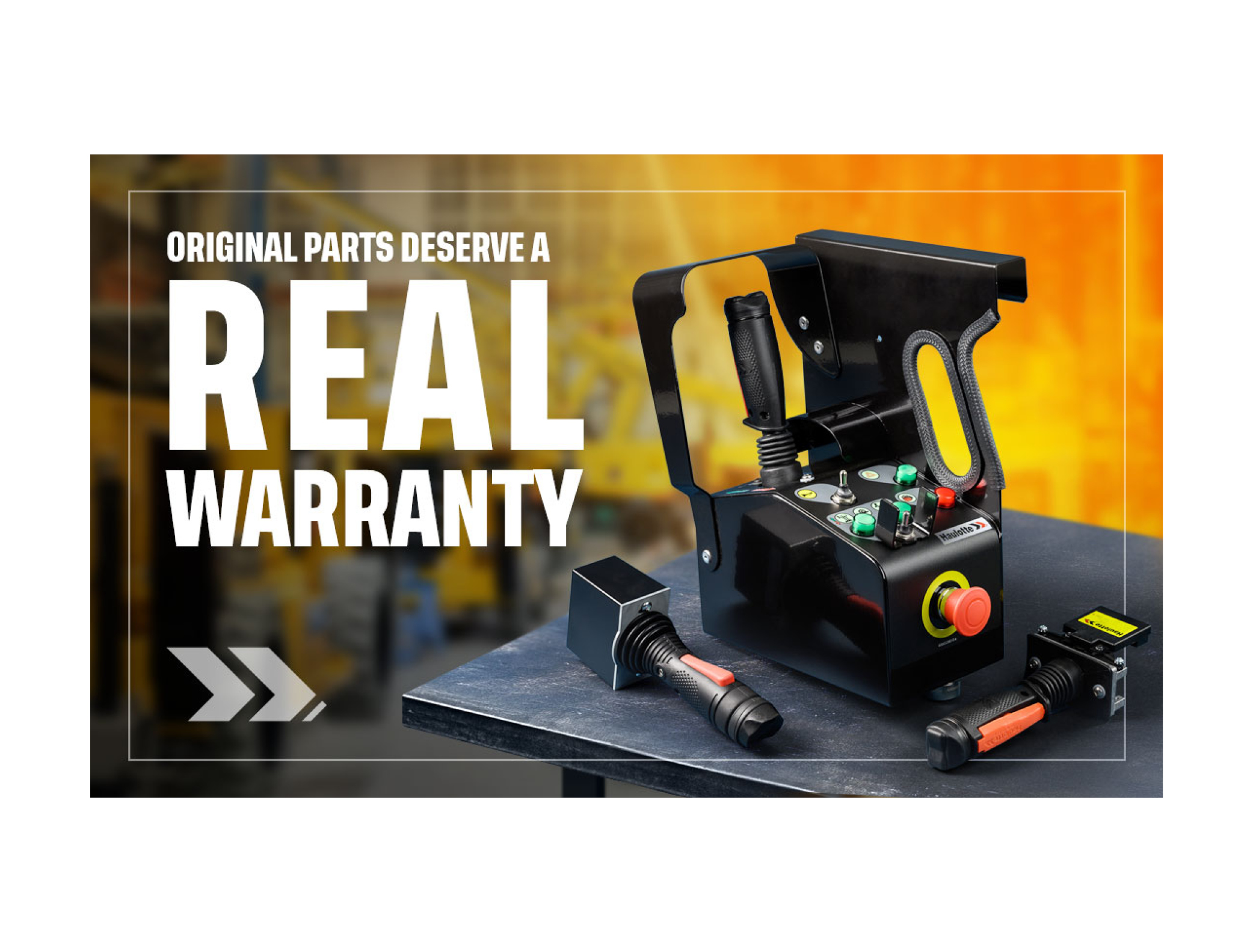
For example, Haulotte's genuine parts meet the latest specifications and extend the life of your aerial work platforms. Thanks to ongoing research, development, and a global logistics network, you get the best performance from your equipment. Tests show that original parts improve performance and reliability, while reducing ownership and operating costs.
If the cost of spare parts hinders your preventive maintenance, consider reconditioned original parts. They can save 50% to 80% compared to new parts and come with up to three or six-month guarantees.
In summary, using original parts is a strategic choice for maintaining the reliability and performance of your aerial work platforms, ensuring smooth operations.
If the cost of spare parts hinders your preventive maintenance, consider reconditioned original parts. They can save 50% to 80% compared to new parts and come with up to three or six-month guarantees.
In summary, using original parts is a strategic choice for maintaining the reliability and performance of your aerial work platforms, ensuring smooth operations.
2. Streamline your maintenance process and save money
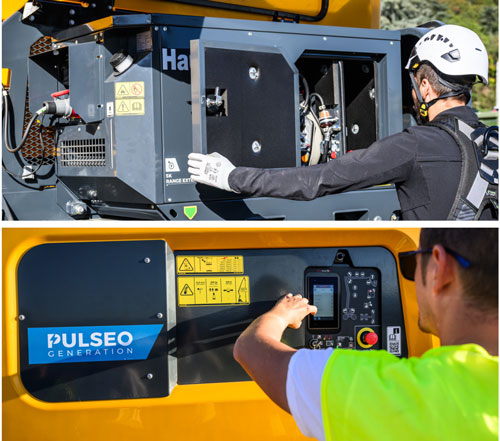
In addition to their quality, it’s helpful to identify and order all necessary parts from one source. Most manufacturers, like Haulotte with MyHaulotte and E-Technical information, offer online technical libraries with exploded diagrams of machines and subassemblies. This makes it easier to identify parts that need replacement. Once identified, an online service like MyHaulotte lets you order all necessary parts at once.
Integrated assistance systems and telematic solutions are crucial for maintenance and parts replacement. They provide accurate diagnostics and can precisely identify faulty parts.
Integrated assistance systems and telematic solutions are crucial for maintenance and parts replacement. They provide accurate diagnostics and can precisely identify faulty parts.
3. Benefit from the latest retrofit innovations & options
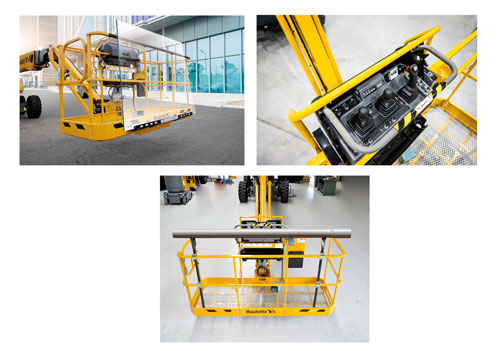
Original spare parts are essential for maintenance and upgrading your equipment. Most manufacturers, like Haulotte, offer retrofit option kits. These kits are compatible with a wide range of models, even older ones. They come with the same warranties as other spare parts and add value to your machine.
Ordering pre-assembled kits avoids the need to order many different parts and check their compatibility. Retrofitting adds value to your equipment with enhanced safety features or increased productivity.
Ordering these kits directly from the manufacturer ensures compliance with current regulations and meets all quality and finish standards.
Ordering pre-assembled kits avoids the need to order many different parts and check their compatibility. Retrofitting adds value to your equipment with enhanced safety features or increased productivity.
Ordering these kits directly from the manufacturer ensures compliance with current regulations and meets all quality and finish standards.
4. Maintain the safety and compliance of your equipment
Manufacturers of genuine spare parts perform rigorous tests to ensure they meet quality standards and current regulations. For aerial work platforms, this includes compliance with ANSI and CE certifications, which are essential for operator safety and legal compliance.
Owners are responsible for ensuring their equipment remains compliant before and after repairs or maintenance. Using non-OEM parts can compromise compliance, leading to lost business and reputational damage.
Another advantage of using original parts is maintaining resale value. The first ownership of a cherry picker is generally between 5 and 12 years. When the equipment reaches this age, manufacturers may offer trade-in solutions, or it enters a new phase with other buyers. Like in the automotive industry, a maintenance logbook documenting the use of original spare parts can optimize resale value.
Owners are responsible for ensuring their equipment remains compliant before and after repairs or maintenance. Using non-OEM parts can compromise compliance, leading to lost business and reputational damage.
Another advantage of using original parts is maintaining resale value. The first ownership of a cherry picker is generally between 5 and 12 years. When the equipment reaches this age, manufacturers may offer trade-in solutions, or it enters a new phase with other buyers. Like in the automotive industry, a maintenance logbook documenting the use of original spare parts can optimize resale value.
Checklist for simplified spare parts management
✅ Prefer manufacturer-certified spare parts
✅ Maintain a minimum stock of high-usage and consumable parts for basic and preventive maintenance
✅ Avoid overstocking low-rotation parts that might change due to regulations or equipment evolution
✅ Use classification methods to define your necessary stock (ABC / FNS methods)
✅ Check the warranty conditions of spare parts before purchase
✅ Utilize telematics and digital interface solutions to leverage maintenance data and optimize your operations
✅ Maintain a minimum stock of high-usage and consumable parts for basic and preventive maintenance
✅ Avoid overstocking low-rotation parts that might change due to regulations or equipment evolution
✅ Use classification methods to define your necessary stock (ABC / FNS methods)
✅ Check the warranty conditions of spare parts before purchase
✅ Utilize telematics and digital interface solutions to leverage maintenance data and optimize your operations